



by Jenn
Substation Craftsperson
At National Grid
Level 4/5 Apprenticeship
From Apprentice to Substation Craftsperson: Keeping the UK's electricity network running
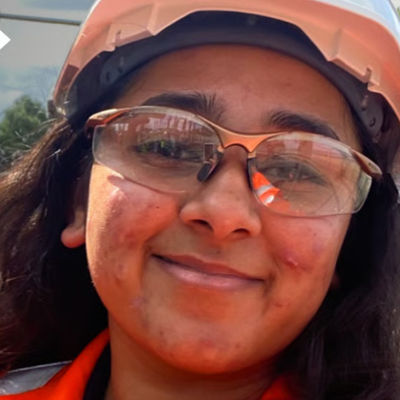
Meet Jenn, one of our Substation Craftspersons
If you'd told me when I was at sixth form that I'd be working on some of the UK's most important electrical infrastructure, I probably wouldn't have believed you.
Today, I'm a Substation Craftsperson at National Grid, helping maintain the equipment that keeps electricity flowing to homes, businesses and communities across the country. It's a role that combines technical skills, problem solving, teamwork and hands-on engineering, and it's a career I'm incredibly proud of.
Why I chose engineering
My biggest inspiration was my dad. He's a mechanical engineer and has worked at the Ford plant in Dagenham for as long as I can remember. He always knew I was more of a practical learner than someone who wanted to spend all day behind a desk or in textbooks.
When I was younger, he encouraged me to explore engineering and apprenticeships. He took me to an engineering sixth form open evening, and from that point on I was hooked. I loved the hands-on nature of engineering and the idea of learning while working.
Looking back, choosing an apprenticeship was one of the best decisions I've ever made.
What does a Substation Craftsperson actually do?
One of the questions I'm asked most often is, "What do you do day to day?"
A huge part of the role is maintaining and inspecting equipment across substations. We carry out routine inspections, check oil levels, identify potential issues and make sure critical assets are operating safely and efficiently.
For example, we use thermal imaging technology to inspect equipment connections and identify 'hot joints' before they become bigger problems. Any defects we find are reported so maintenance work can be planned and completed before reliability is affected.
No two days are exactly the same. One day I might be carrying out inspections, the next I could be supporting a major maintenance programme or learning new skills on specialist equipment.
What I enjoy most is knowing that the work we do really matters. It sounds simple, but our job is helping to keep the lights on.
Learning from day one
When I joined National Grid as an apprentice, I came straight from sixth form with very little practical workplace experience.
The apprenticeship gave me the opportunity to learn from experienced craftspeople who had spent years working across the network. The learning wasn't just technical either.
I learned how to communicate effectively, how to plan work, how to work safely, and how to build the confidence to contribute my own ideas.
One piece of advice that stayed with me throughout my apprenticeship was to always ask questions.
My mentors used to tell me that even if I thought a question sounded silly, I should ask it anyway. That mindset completely changed my confidence. Instead of staying quiet, I learned that asking questions is one of the fastest ways to grow and develop.
National Grid invests a huge amount in developing its people. Throughout my apprenticeship I completed specialist training courses, worked towards my logbook requirements, gained qualifications on different types of equipment and travelled to substations across the country to gain experience.
Seeing the whole network
One of my favourite things about my apprenticeship was the opportunity to travel.
To complete different elements of my training, I spent time with teams across the UK. I've worked in the Midlands, the South Coast and at sites far beyond my home area.
Every team taught me something different and introduced me to different ways of working. I met people I still keep in touch with today and gained experiences I wouldn't have had anywhere else.
That variety helped me become a more rounded engineer and gave me a much broader understanding of National Grid's network.
A project I'll never forget
One of the most rewarding projects I've been involved with was a major transformer replacement at my site in East London.
The equipment being replaced had originally been installed decades ago, and the scale of the project was enormous. Contractors, engineers, refurbishment specialists and crane operators all worked together over several months to deliver the replacement.
As someone still early in my career, it was incredible to be part of such a large engineering project. Seeing the transformer successfully installed and knowing I'd played a role in delivering it was a moment I'll always remember.
It's one thing to learn about engineering in theory. It's another thing entirely to stand back and see a project of that scale completed successfully.
Growing in confidence
The biggest change National Grid has given me isn't just technical knowledge. It's confidence.
When I joined, I was fairly shy and unsure of myself. Now I'm supporting newer apprentices, sharing advice and helping others the same way my mentors helped me.
I've learned how to operate specialist equipment, work on major engineering projects and take responsibility for important tasks. More importantly, I've learned to trust myself.
That's something I carry with me both inside and outside of work.
My advice to anyone considering an apprenticeship
Just go for it.
Engineering offers so many opportunities, whether you're interested in electrical, mechanical, cyber, telecoms or another technical field.
You don't need to know everything before you start. What matters most is being willing to learn, asking questions and bringing a positive attitude.
National Grid has given me incredible support, amazing experiences and a career I genuinely enjoy. The people around you want you to succeed, and there are more opportunities than you can imagine when you first start.
If you're curious about engineering, my advice is simple: explore it, talk to people already doing it, attend careers events and apply.
You might be surprised where it takes you.
And if an apprentice from sixth form can go on to help maintain the infrastructure that powers the country, then so can you.
Interested in becoming a Substation Craftsperson?
From inspecting and maintaining high-voltage equipment to working on major infrastructure projects, you'll develop technical expertise, gain nationally recognised qualifications and learn from experienced engineers while helping to keep Britain's electricity network running.


More Case Studies from National Grid

Electricity Transmission Substation Craftsperson Advanced Apprentice
Level 3 Apprenticeship
By Alyssa

Power System Engineer
Level 4/5 Apprenticeship
By Leo
Electrical Power Network Engineers Apprenticeship - Planning
Level 4/5 Apprenticeship
By Amal
Related Case Studies
Explore more case studies from across our platform.

How to stand out when applying for student opportunities
Placement (10 Months+)
By EY

Higher Apprentice Associate Project Manager
Level 4/5 Apprenticeship
By Selina

Procurement Higher Apprentice
Level 4/5 Apprenticeship
By Greg
